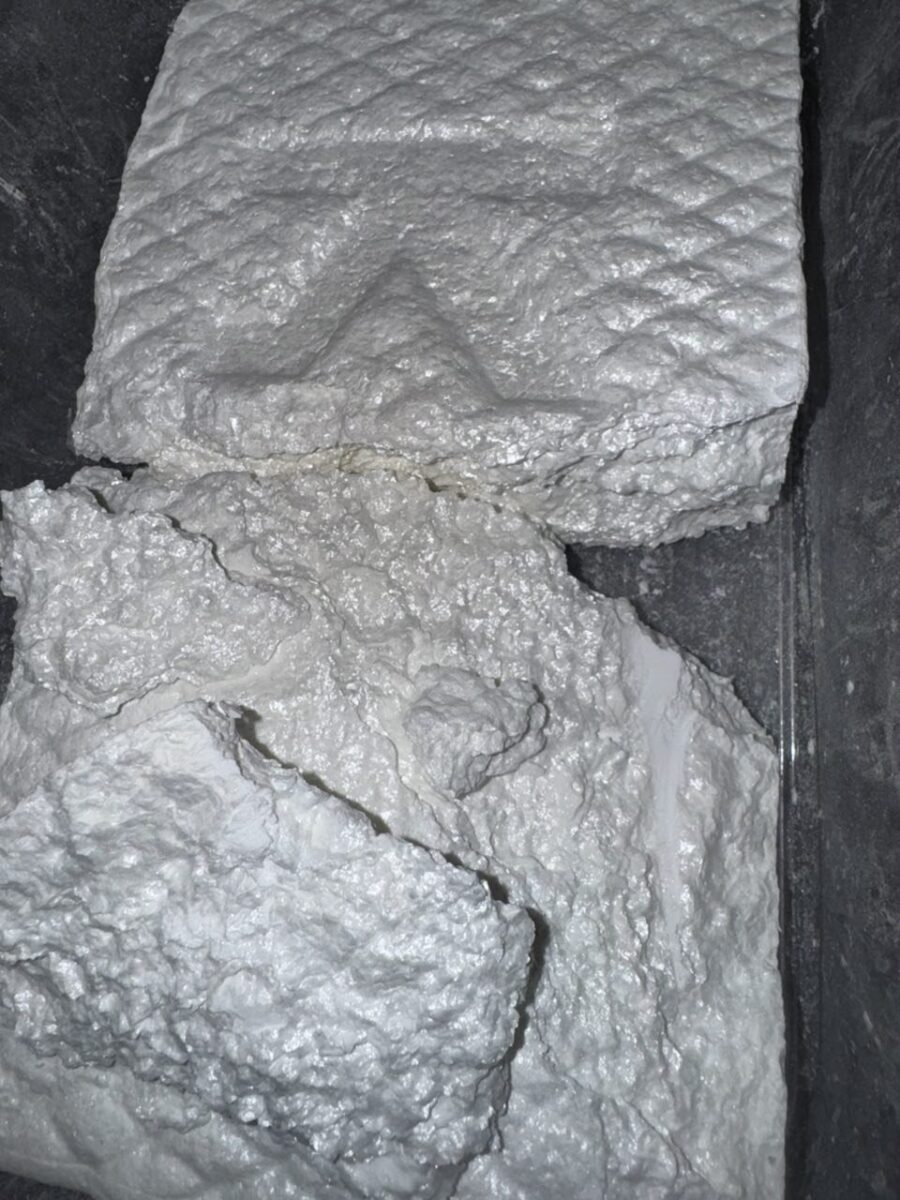
Description
Colombian Cocaine: Risks, Purity Claims, Legality and Health Facts
Searches for Colombian cocaine and claims of “100% pure cocaine” are common across online marketplaces and search engines. However, consumers should understand that terminology used in illegal drug markets does not provide reliable evidence of purity, safety, or origin. Cocaine is a powerful and highly addictive stimulant, and purchasing or possessing it illegally can carry serious health and legal consequences.
This guide explains what Colombian cocaine means, why online purity claims can be misleading, and the health and legal issues surrounding illicit cocaine in the USA, UK, and Europe.
What Is Colombian Cocaine?
Cocaine is a stimulant derived from coca plants native to South America. Colombia is historically associated with coca cultivation and cocaine production, which is why the term “Colombian cocaine” is frequently used in illicit drug markets.
The geographic label does not establish the actual origin or chemical composition of a particular substance. Powder sold online or through illicit markets can contain other chemicals, cutting agents, or additional drugs. The National Institute on Drug Abuse describes cocaine as a powerful and addictive stimulant and notes that illicit cocaine is frequently adulterated with other substances.
Can Cocaine Really Be 100% Pure?
Claims such as “100% pure Colombian cocaine” should be treated with extreme skepticism when they appear in advertisements or illegal online marketplaces.
A photograph, product description, seller guarantee, or customer review cannot reliably establish chemical purity. Illicit stimulants are manufactured and distributed outside normal pharmaceutical quality-control systems, making their composition and strength difficult to determine. The CDC specifically notes that illicit stimulants are unregulated, meaning dosage and purity can be difficult to establish.
Consequently, “100% pure” is not a meaningful safety certification.
Health Risks Associated With Cocaine
Cocaine strongly stimulates the central nervous system and can increase heart rate and blood pressure. Its effects can place substantial stress on the cardiovascular system.
Potential complications include abnormal heart rhythms, heart attack, stroke, seizures, severe anxiety, paranoia, and other serious medical problems. The CDC identifies cocaine as a highly addictive stimulant and reports that cocaine-involved overdose deaths remain a significant public-health concern in the United States.
Repeated use can also contribute to substance use disorder, making it increasingly difficult for someone to stop despite harmful consequences.
Why Adulteration Is a Major Concern
One of the most important dangers associated with illicit cocaine is uncertainty about its contents. A substance sold as cocaine may contain other stimulants, pharmaceutical compounds, or unexpected contaminants.
Of particular concern is fentanyl. The CDC warns that illegally manufactured fentanyl can be mixed with cocaine and other stimulants without the person’s knowledge. Because fentanyl cannot reliably be identified by appearance, taste, or smell, consumers may be unaware that they have been exposed to an opioid.
Recent CDC surveillance also shows that cocaine and fentanyl can occur together in clinical drug-testing data, highlighting the importance of recognizing the risks of polysubstance exposure.
Cocaine Laws in the USA, UK and Europe
Cocaine is subject to strict drug-control laws in the United States, United Kingdom, and countries throughout Europe. Exact penalties differ according to jurisdiction and circumstances, including possession, supply, importation, and trafficking.
Online availability does not make an illegal substance lawful. International purchasing or shipping can create additional legal risks because importing controlled substances may violate multiple national laws.
Anyone concerned about the legal status of a controlled substance should consult official government information or a qualified legal professional in the relevant jurisdiction.
Why Buying Cocaine Online Is Dangerous
Illegal online marketplaces can create a false impression of reliability through professional-looking websites, testimonials, product photographs, and claims about laboratory testing or purity.
These features do not guarantee that a product is authentic or safe. Unlike regulated medicines, illicit cocaine is not manufactured under consistent pharmaceutical quality standards.
The combination of uncertain composition, unpredictable potency, potential contamination, and legal exposure makes purchasing cocaine online particularly hazardous.
Getting Help for Cocaine Use
People who are concerned about their own cocaine use or someone else’s use can seek confidential assistance from healthcare professionals, addiction specialists, and local drug-treatment services.
Seeking help does not require waiting for a crisis. Medical professionals can discuss substance-use treatment, mental-health support, and strategies for reducing harm.
Searches for Colombian cocaine, “pure cocaine,” or cocaine available online should not be interpreted as evidence that a product is authentic or safe. Geographic labels and seller claims cannot reliably establish purity, while illicit cocaine can carry serious cardiovascular, neurological, addiction, overdose, and legal risks.
For reliable information, consumers should rely on public-health agencies, medical professionals, and regulated treatment services rather than illegal online sellers. The safest way to address concerns about cocaine use is through evidence-based healthcare and confidential professional support.
Reviews
There are no reviews yet.