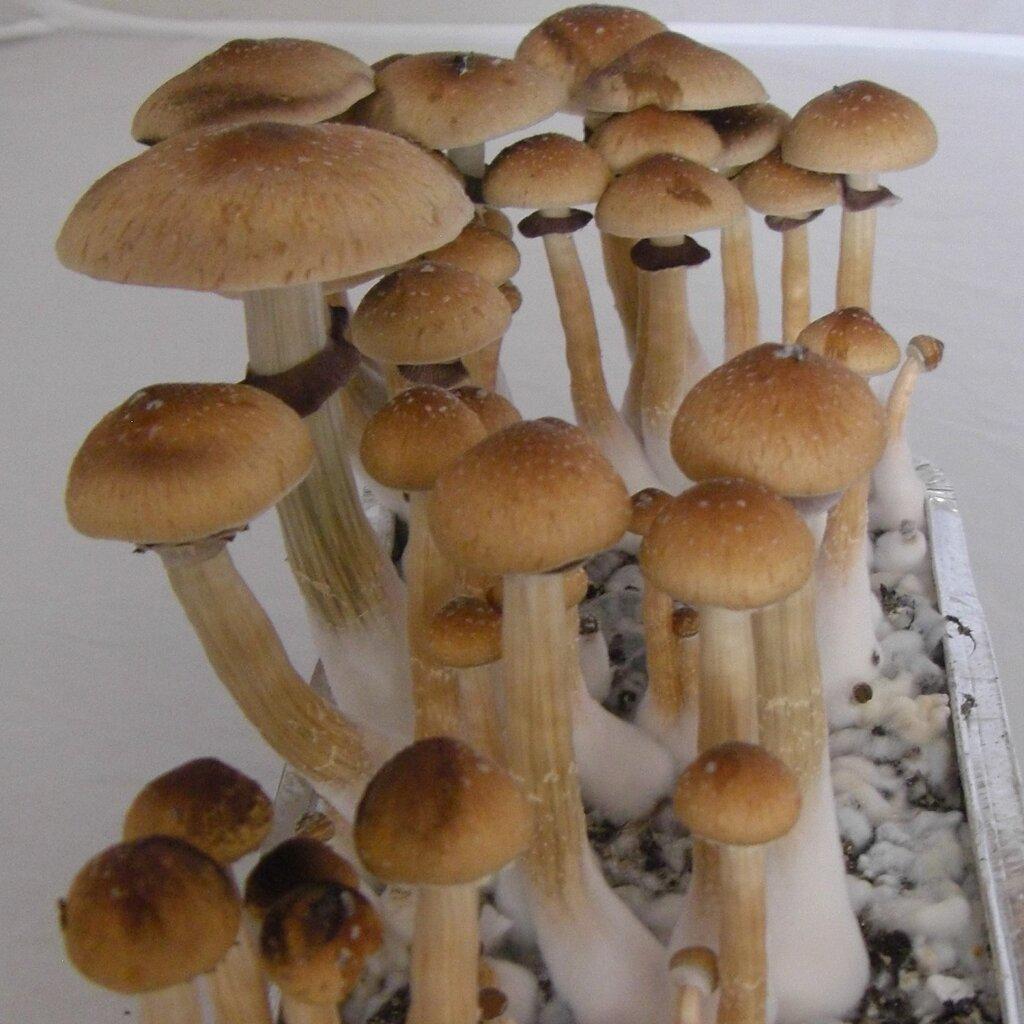
LSD vs Mushrooms: Key Differences, Effects, Risks, and Legal Status
If you have been searching for “LSD vs mushrooms,” you are probably trying to understand how these two classic psychedelics compare. LSD and psychedelic mushrooms are both known for producing significant changes in perception, thoughts, emotions, and sensory experiences, but they are not the same substance.
The biggest difference is their active compounds. LSD, short for lysergic acid diethylamide, is a synthetic psychedelic, while magic mushrooms contain naturally occurring compounds called psilocybin and psilocin. Although both substances interact with serotonin systems in the brain, their experiences, duration, risks, and legal status can differ.
This guide explains the main differences between LSD and mushrooms, what research says about them, and why understanding local laws and health risks matters in the USA, UK, and Europe.
LSD vs Mushrooms: A Quick Comparison
At a high level, LSD and psilocybin mushrooms belong to a group commonly known as classic psychedelics. Both can alter perception and produce hallucinations, but the substances themselves are chemically different.
| Feature | LSD | Psilocybin Mushrooms |
|---|---|---|
| Full name | Lysergic acid diethylamide | Mushrooms containing psilocybin |
| Primary psychedelic compound | LSD | Psilocybin, converted to psilocin |
| Source | Synthetic | Certain mushroom species |
| Drug category | Classic psychedelic | Classic psychedelic |
| Main effects | Altered perception, mood, thoughts and sensory experiences | Altered perception, mood, thoughts and sensory experiences |
| Experience | Can be psychologically intense and unpredictable | Can be psychologically intense and unpredictable |
| Legal status | Restricted in many countries | Restricted in many countries |
| Research interest | Ongoing | Growing rapidly |
The table provides a general comparison rather than a prediction of how an individual will respond. Psychedelic experiences can vary considerably between people.
What Are Magic Mushrooms?
Magic mushrooms are mushrooms that contain psilocybin, a naturally occurring psychedelic compound. After consumption, the body converts psilocybin into psilocin, which produces psychoactive effects.
The National Center for Complementary and Integrative Health explains that psilocybin can affect mood, thoughts, perception, emotions, and the experience of time. Some people report vivid imagery, strong emotions, changes in their perception of reality, and a sensation sometimes described as a dissolving of the ego.
However, psilocybin experiences are not automatically positive. Anxiety, panic, paranoia, confusion, nausea, increased heart rate, increased blood pressure, and hallucinations can occur.
Another concern is mushroom identification. Wild mushrooms can resemble poisonous species, making identification a significant safety issue.
What Is LSD?
LSD is a synthetic psychedelic substance. Unlike psilocybin, which occurs naturally in certain mushrooms, LSD is manufactured from chemical precursors associated historically with ergot, a fungus.
LSD and psilocybin are both classified as classic hallucinogens. Research from the National Institute on Drug Abuse describes LSD as acting on serotonin-related receptors in the brain, contributing to changes in perception, cognition, mood, and sensory experiences.
The effects of LSD can include visual and sensory distortions, altered perception of time, emotional changes, and hallucinations. Unpleasant experiences can also involve fear, anxiety, paranoia, or a feeling of losing control.
LSD vs Mushrooms: How Do the Experiences Differ?
One of the most common questions surrounding LSD vs mushrooms is whether the subjective experience feels different.
There is no universal answer because psychedelic experiences depend on many variables, including the person, environment, expectations, psychological state, substance, and other drugs that may be present.
Broadly speaking, both LSD and psilocybin can produce:
- Changes in visual perception
- Altered sense of time
- Intensified emotions
- Changes in thought patterns
- Hallucinations
- Changes in the perception of oneself and surroundings
- Anxiety or panic during difficult experiences
Psilocybin mushrooms may also produce physical effects such as nausea and dizziness. LSD can produce physical effects including increased heart rate and blood pressure, dizziness, sweating, and sleeplessness.
Therefore, it is misleading to describe one substance as universally “better,” “safer,” or “easier” than the other.
LSD vs Mushrooms: Which Lasts Longer?
Duration is another major difference people consider when researching LSD vs mushrooms.
Classic psychedelic experiences can last for several hours, and the exact duration varies with the substance, individual physiology, and circumstances.
LSD is generally associated with a longer-lasting psychedelic experience, while psilocybin mushrooms are commonly associated with a shorter overall experience. However, there is considerable individual variation, and online estimates should not be treated as guarantees.
NIDA notes that hallucinogen effects can begin within a variable period after ingestion and may last for many hours.
The longer duration associated with LSD can be particularly important from a practical and psychological perspective because an uncomfortable experience may feel difficult to escape once it begins.
LSD vs Mushrooms: Which Is More Powerful?
It is difficult to answer this question objectively.
LSD and psilocybin are different chemicals, and comparing their “strength” using a simple scale can be misleading. The intensity of a psychedelic experience depends on numerous factors, including the substance, individual sensitivity, circumstances, expectations, and the actual composition of the material.
With mushrooms, another complication is natural variation. Different mushroom species and individual specimens can contain different concentrations of active compounds.
For these reasons, there is no reliable rule saying that one substance will necessarily produce a stronger experience for every person.
Potential Risks of LSD and Mushrooms
Although psychedelic substances are often discussed in terms of their potential positive experiences, they also carry risks.
Both LSD and psilocybin can cause difficult psychological reactions. These may include intense anxiety, panic, paranoia, confusion, or frightening perceptual experiences. NIDA describes unpleasant psychedelic experiences as potentially involving extreme anxiety, fear, or despair.
Psilocybin has additional concerns involving poisonous mushroom identification. The NCCIH also notes that psilocybin experiences can be unpredictable and that adverse effects may include increased blood pressure and heart rate, nausea, dizziness, anxiety, paranoia, and, in some cases, persistent psychosis.
People with certain psychiatric conditions may face particular risks. Anyone considering psychedelic substances for a mental-health concern should speak with a qualified healthcare professional rather than attempting to self-treat.
Can LSD or Mushrooms Cause Addiction?
LSD and psilocybin are different from substances such as opioids or nicotine in terms of their addiction profile.
That does not mean they are risk-free or that repeated use cannot become problematic. Psychological effects, impaired judgment, risky behavior, and adverse mental-health reactions remain important concerns.
The fact that a substance is naturally occurring also does not make it automatically safe. As the NCCIH emphasizes, “natural” does not necessarily mean safe.
LSD vs Mushrooms: Legal Status in the USA
Legal status is an important consideration when researching LSD vs mushrooms in the USA.
At the federal level, psilocybin is classified as a Schedule I controlled substance. The DEA likewise identifies psilocybin as a Schedule I substance under the Controlled Substances Act.
However, certain U.S. states and local jurisdictions have adopted different policies concerning psilocybin, including measures involving decriminalization, enforcement priorities, research, or regulated services.
LSD remains a federally controlled substance as well. Because state and local policies can change, consumers should consult current official government information rather than assuming that a policy in one city or state applies nationwide.
LSD vs Mushrooms: Legal Status in the UK
The UK has a considerably stricter approach.
The UK government lists both LSD and magic mushrooms as Class A drugs. UK law imposes serious penalties for activities including possession, production, supply, and dealing in controlled drugs.
Consequently, online claims suggesting that magic mushrooms or LSD are broadly legal in the UK should be treated with caution.
What About Europe?
The phrase “LSD vs mushrooms Europe” covers many different legal systems.
European countries do not all regulate psilocybin-containing mushrooms in exactly the same way. The European Union Drugs Agency explains that some countries specifically control hallucinogenic mushrooms, while others regulate psilocybin or psilocin and apply different rules to cultivation, possession, preparation, or sale.
LSD is also controlled under drug laws in many European jurisdictions.
If you live in Europe, the safest approach is to research the laws of your specific country rather than assuming that rules from another European nation apply to you.
LSD vs Mushrooms for Mental Health Research
Scientific interest in psychedelics has increased substantially, particularly around psilocybin-assisted therapy.
Research has examined psilocybin in areas including depression, anxiety associated with serious illness, addiction, and other mental-health conditions. The NCCIH notes that research into psilocybin-assisted psychotherapy is growing, while also emphasizing that questions about safety, effectiveness, dosing, interactions, and long-term outcomes remain important.
It is important to distinguish clinical research from recreational use.
A clinical study may involve carefully selected participants, controlled materials, professional supervision, psychological support, and medical monitoring. Those conditions are fundamentally different from obtaining an unknown substance outside a regulated research environment.
LSD vs Mushrooms: Which One Is Better?
There is no scientifically established answer that makes one universally better than the other.
Someone searching “LSD vs mushrooms” may be looking for a straightforward winner, but psychedelic effects are highly individual. Both substances can produce powerful changes in perception and consciousness, and both carry potential risks.
A more useful question is: What are the evidence, risks, legal restrictions, and medical considerations associated with each substance?
That approach is more reliable than choosing based on online anecdotes or claims that one psychedelic is inherently safe.
Frequently Asked Questions About LSD vs Mushrooms
Are LSD and magic mushrooms the same thing?
No. LSD is a synthetic psychedelic compound, while magic mushrooms contain psilocybin, which the body converts into psilocin. They can produce some similar psychedelic effects but are chemically different substances.
Do LSD and mushrooms produce similar effects?
They can. Both may cause altered perception, hallucinations, changes in mood, altered time perception, and changes in thought patterns. Individual experiences can vary significantly.
Which lasts longer, LSD or mushrooms?
LSD is generally associated with a longer-lasting experience than psilocybin mushrooms, although duration varies from person to person.
Are magic mushrooms safer than LSD?
There is no simple scientific basis for declaring one universally safer. Both can cause significant psychological and physical effects, and risks depend on the person, substance, circumstances, and local environment.
Are LSD and mushrooms legal?
Their legal status varies by jurisdiction. In the U.S., both are subject to federal controlled-substance laws, while individual jurisdictions may have different policies. In the UK, both LSD and magic mushrooms are Class A drugs. European laws vary between countries.
Final Thoughts on LSD vs Mushrooms
Understanding LSD vs mushrooms requires more than comparing which psychedelic feels stronger or lasts longer. LSD and psilocybin mushrooms are distinct substances with different chemistry, variable effects, potential risks, and complicated legal frameworks.
Both can significantly alter perception, emotions, and thinking. Neither should be considered automatically safe simply because psychedelic experiences are sometimes described positively online. Psilocybin research is particularly active, but promising clinical research does not mean that unsupervised use is an approved treatment.
Whether you are researching psychedelics in the USA, UK, or Europe, focus on reliable scientific information and current government regulations. Laws can change, and the rules applying in one location may not apply elsewhere.
For anyone interested in psychedelics because of depression, anxiety, addiction, or another health concern, speaking with a qualified healthcare professional and learning about legitimate clinical research is a more evidence-based starting point than relying on online sellers or anecdotal claims.